How To Figure Out The Banisters Layout / Types Of Stairs Explained Architectural Digest - My slots are 3/4” deep.
Calculate possible baluster layouts or center to center spacing. Calculate how many balusters you'll need for a deck or stair railing by selecting the total railing length, the number and size of posts, and the size of the balusters. Hold the spacer up to it and mark the length with a sharp pencil. The steps will fit into slots in the beams and screwed from the sides. Depending on the length of these sections, it will also determine how far apart your spindles should be placed from the center point.
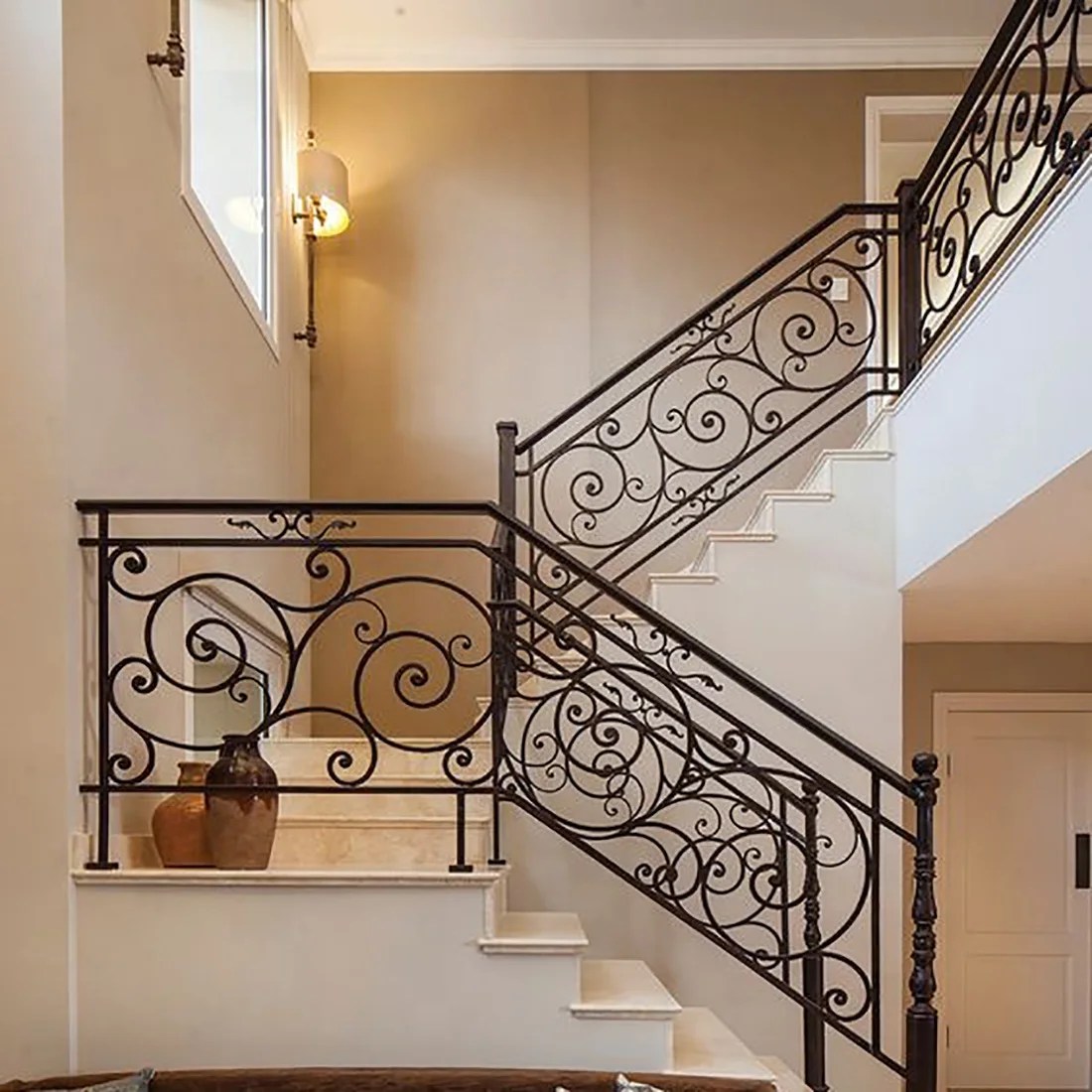
Again, the process is simple and a little trial and error won't take long though once you understand it you can usually go straight to the correct pattern.
Calculate how many balusters you'll need for a deck or stair railing by selecting the total railing length, the number and size of posts, and the size of the balusters. The steps will fit into slots in the beams and screwed from the sides. To carve a slot, i use my skilsaw to cut multiple passes, then chisel out. It's easy to knock out the remaining wood after cutting. While a spindle or baluster can touch the deck, they often have a bottom railing to hold them in place. The overall height is the distance from the floor or landing at the top of the set of stairs to the floor/landing at the bottom of the set of stairs. Depending on the length of these sections, it will also determine how far apart your spindles should be placed from the center point. Calculate possible baluster layouts or center to center spacing. In a set of stairs 36 inches wide, there are typically three stringers (one on each end and one in the middle). Calculate baluster spacing and layout by entering the baluster size and the length of each section of the railing. Step 1 place the framing square vertically on one step and measure the height of the step from the step surface to the top of the step above. Write down the exact value, which should be about 7 … If the spindle doesn't fit tightly in the hand and base rails, pin the bottom of the spindle temporarily so it stays put.
Step 1 place the framing square vertically on one step and measure the height of the step from the step surface to the top of the step above. First, divide the tread run by the number of balusters. To carve a slot, i use my skilsaw to cut multiple passes, then chisel out. Follow the five easy steps below to obtain the measurements necessary for your handrail system. While a spindle or baluster can touch the deck, they often have a bottom railing to hold them in place.
/painted-stair-ideas-4171928-hero-88b1a9f4bb85486e82be1fae2faf2160.jpg)
If the spindle doesn't fit tightly in the hand and base rails, pin the bottom of the spindle temporarily so it stays put.
Follow the five easy steps below to obtain the measurements necessary for your handrail system. Calculate how many balusters you'll need for a deck or stair railing by selecting the total railing length, the number and size of posts, and the size of the balusters. Again, the process is simple and a little trial and error won't take long though once you understand it you can usually go straight to the correct pattern. In a set of stairs 36 inches wide, there are typically three stringers (one on each end and one in the middle). While a spindle or baluster can touch the deck, they often have a bottom railing to hold them in place. Calculate possible baluster layouts or center to center spacing. The layout is carefully marked on the two 4x12 pressure treated beams (stringers), and cut. To carve a slot, i use my skilsaw to cut multiple passes, then chisel out. It's easy to knock out the remaining wood after cutting. Depending on the length of these sections, it will also determine how far apart your spindles should be placed from the center point. First, divide the tread run by the number of balusters. Like in the picture below. These posts divide railing into sections, where spindles or balusters are placed to provide a safety barrier.
Calculate baluster spacing and layout by entering the baluster size and the length of each section of the railing. To carve a slot, i use my skilsaw to cut multiple passes, then chisel out. Again, the process is simple and a little trial and error won't take long though once you understand it you can usually go straight to the correct pattern. If the spindle doesn't fit tightly in the hand and base rails, pin the bottom of the spindle temporarily so it stays put. Like in the picture below.

First, divide the tread run by the number of balusters.
In a set of stairs 36 inches wide, there are typically three stringers (one on each end and one in the middle). The steps will fit into slots in the beams and screwed from the sides. Calculate how many balusters you'll need for a deck or stair railing by selecting the total railing length, the number and size of posts, and the size of the balusters. These posts divide railing into sections, where spindles or balusters are placed to provide a safety barrier. Hold the spacer up to it and mark the length with a sharp pencil. Write down the exact value, which should be about 7 … If the spindle doesn't fit tightly in the hand and base rails, pin the bottom of the spindle temporarily so it stays put. Like in the picture below. The layout is carefully marked on the two 4x12 pressure treated beams (stringers), and cut. While a spindle or baluster can touch the deck, they often have a bottom railing to hold them in place. First, divide the tread run by the number of balusters. Depending on the length of these sections, it will also determine how far apart your spindles should be placed from the center point. Calculate possible baluster layouts or center to center spacing.
How To Figure Out The Banisters Layout / Types Of Stairs Explained Architectural Digest - My slots are 3/4" deep.. Step 1 place the framing square vertically on one step and measure the height of the step from the step surface to the top of the step above. These posts divide railing into sections, where spindles or balusters are placed to provide a safety barrier. The overall height is the distance from the floor or landing at the top of the set of stairs to the floor/landing at the bottom of the set of stairs. First, divide the tread run by the number of balusters. Hold the spacer up to it and mark the length with a sharp pencil.
